

Fixer Upper Listings
Find Fixer-Upper Homes and Investment Properties in Highlands Ranch
Are you looking to build sweat equity or secure a lucrative investment property in the highly sought-after Highlands Ranch real estate market? Our curated list of fixer-upper homes in Highlands Ranch, Colorado, is your ultimate resource for discovering houses with incredible potential. Whether you are an experienced investor searching for your next flip or a homebuyer eager to customize a property with a little TLC, these listings offer a unique opportunity to enter Douglas County's premier community at a highly competitive price point.
Purchasing a home that requires renovation allows you to bypass the premium pricing of move-in-ready properties. From updating cosmetic features in established neighborhoods to full-scale remodels near top-rated local schools, investing in a Highlands Ranch fixer-upper gives you the creative freedom to design your dream home while actively forcing appreciation and maximizing your long-term property value.
The Advantages of Buying a Fixer-Upper
- Lower Initial Investment: Enter a highly desirable local market and coveted local zip codes (like 80126, 80129, or 80130) at a lower barrier to entry.
- Build Immediate Equity: Strategic renovations—such as kitchen remodels, bathroom updates, or basement finishing—can significantly increase the home's market value.
- Total Customization: Tailor the floor plan, finishes, and fixtures exactly to your personal style and needs instead of paying for someone else's design choices.
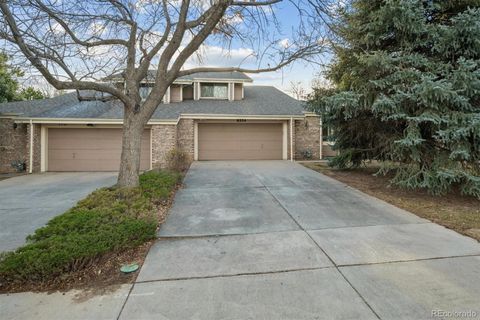

The Builder's Eye: Cosmetic vs. Structural Distress
A true "value-add" property scares away retail buyers with ugly 1990s oak cabinets, heavily stained carpets, and terrible paint colors. We actively hunt for these cosmetic fixer-uppers because the ROI on modernizing these surfaces is massive.
However, many homes marketed as "fixer-uppers" are actually structural traps. When touring properties from the 1980s and 1990s in Douglas County, I am immediately auditing the electrical panels (looking for recalled brands like Federal Pacific), searching for polybutylene plumbing (a known defect from that era), and checking the foundation for heaving due to our expansive soils. We will map out a strict After Repair Value (ARV) budget so you know exactly what the renovation will cost before you write the offer.
Fixer-Upper Investment FAQs
How do I calculate if a fixer-upper is a good investment?
The golden rule of flipping or rehabbing is the 70% Rule. You calculate the home's After Repair Value (ARV)—which is what the home will be worth once fully remodeled—and multiply it by 70%. You then subtract your estimated repair costs. The resulting number is your Maximum Allowable Offer (MAO). This formula ensures you have enough equity built-in to cover holding costs, contractor overruns, and your closing fees when you sell or refinance.
Can I get a regular mortgage to buy a fixer-upper?
If the home only requires cosmetic updates (paint, flooring, outdated kitchens), you can generally use a standard Conventional or FHA loan. However, if the home has missing appliances, failing structural integrity, or no functioning heat source, traditional lenders will deny the loan. In those cases, you will need a specialized renovation loan (like an FHA 203k or Fannie Mae HomeStyle) or hard money financing to close.
Do I need permits to remodel a fixer-upper in Douglas County?
Yes, for anything beyond basic cosmetics. If you are moving plumbing lines, rewiring electrical panels, removing load-bearing walls, or finishing a basement, Douglas County requires permitted architectural plans and municipal inspections. Skipping permits might save you time upfront, but it will create massive liability and force you to tear open walls when you eventually try to sell the home.
Does the HRCA allow exterior renovations on fixer-uppers?
The Highlands Ranch Community Association (HRCA) strictly governs all exterior modifications. If your rehab involves pouring a new concrete patio, changing the exterior paint scheme, replacing the fencing, or altering the landscaping, you must submit your plans to the Architectural Review Committee (ARC) and receive written approval before beginning any exterior work.

