


Highlands Ranch Market Insights
Selling a 1990s Highlands Ranch Home: What to Fix vs. Ignore

Selling a 1990s Highlands Ranch Home: What to Fix vs. Ignore
Homeowners who purchased in Highlands Ranch during the 1980s and 1990s are sitting on decades of accumulated equity, yet over-rehabbing with a $40,000+ full kitchen gut or premature mechanical replacement right before listing rarely returns dollar-for-dollar value. Here is a residential builder, home rehab expert, and engineer's perspective on how to position an established home alongside 2000s/2010s luxury properties and brand-new builds using targeted, high-ROI cosmetic updates.
Skip the endless search filters. Tap the microphone icon inside our AI Concierge—or type your command—to ask which pre-sale updates make sense for your floor plan or search ranch-style homes and lock-and-leave townhomes.
How 1980s & 1990s Homes Compete With Newer Luxury Builds
If you purchased your home in Northridge, Eastridge, Westridge, or Southridge during the 1980s or 1990s, you have benefited from remarkable long-term appreciation. Yet when it comes time to sell, your home enters a marketplace where buyers are simultaneously touring three distinct eras of Highlands Ranch housing: brand-new construction and newer luxury builds, 2000s and 2010s luxury residences in communities like Backcountry, Firelight, and The Hearth, and established 1980s/1990s neighborhoods with mature trees and generous lots.
The single biggest mistake sellers of established homes make is trying to turn a 1994 two-story into a brand-new custom build by writing six-figure checks to general contractors right before listing. From a residential builder, home rehab expert, and engineer perspective, strategic pre-sale preparation is about maximizing net proceeds in your pocket—not funding someone else's custom remodel at retail contractor rates.
The “Skip It” List: Major Capital Projects That Rarely Pay Back at Closing
Before signing a remodeling contract prior to listing, evaluate how appraisers and buyers actually weigh major capital expenditures versus targeted cosmetic improvements:
| Project Category | Why Over-Rehabbing Hurts Net Proceeds | Smarter Pre-Listing Strategy |
|---|---|---|
| Full-Gut Kitchen Remodels | Spending $45,000 to $80,000 tearing out cabinets and moving islands rarely recoups dollar-for-dollar value because buyers have specific finish preferences. | Keep the existing footprint and execute targeted cosmetic updates like cabinet refinishing, modern pulls, quartz counters, and updated lighting. |
| Working Roof & HVAC Systems | Replacing a non-leaking roof or a functioning furnace and AC unit out of pocket before listing turns equity into a baseline maintenance item. | Have a licensed HVAC technician clean and service the system, keep maintenance records out for showings, and let the buyer's independent inspector evaluate it. |
| Whole-House Repiping | Proactively opening drywall across multiple levels to replace intact gray polybutylene supply lines delays your listing and creates months of disruption. | Disclose known plumbing materials transparently and, if requested after the buyer's inspection, negotiate a clean closing credit so the buyer can schedule work post-closing. |
| Finishing an Unfinished Basement | Permitting, framing, drywalling, and finishing a lower level right before a sale carries high per-square-foot construction costs with partial appraisal return. | Clear out storage clutter, sweep the slab, and brighten the space with crisp LED bulbs so buyers can envision their own future basement layout ideas. |
For a deeper dive into how buyers and independent inspectors look at older supply lines, read our guide to understanding polybutylene plumbing in 1990s homes.
The “Fix It” List: High-ROI Cosmetic Updates That Win Showings
Because a typical 15-to-30-minute real estate showing is a visual first impression, buyers form an emotional connection to light, cleanliness, and cohesive finishes within the first ninety seconds. These targeted updates consistently deliver the strongest return on investment:
- Neutral Interior Paint & Cabinet Refinishing: Replacing heavy 1990s accent walls and golden honey-oak cabinet tones with warm alabaster or soft greige paint immediately brightens vaulted living rooms. See our guide to 10 quick high-ROI kitchen updates for specific finish ideas.
- Modern LED Lighting & Color Temperature Consistency: From an engineer's perspective, nothing ages a 1990s interior faster than recessed kitchen fluorescent boxes, mismatched bulb temperatures, and tarnished brass fixtures. Swapping in clean flush-mount fixtures and matching 3000K-to-3500K warm-white LED bulbs transforms how every room photographs and shows.
- Fresh Neutral Carpet & Hardwood Refinishing: Stretching or replacing worn second-story carpet over fresh padding and buffing main-level oak hardwoods makes an established home feel crisp and move-in ready.
Mapping Out Your Pre-Sale Walkthrough & Next Move
Before spending a dollar at a home improvement store, schedule a pre-sale walkthrough through our Maximized Selling System. We review your floor plan room by room, share a builder's perspective on which low-cost cosmetic touches will elevate your listing photography, and help you coordinate the timing of your next purchase—whether you are moving into a lock-and-leave townhome in Tresana, a 55+ patio home in Verona, or a ranch-style layout in Backcountry.
When a 1980s or 1990s home still has original oak cabinets, polybutylene plumbing, or an unfinished basement, I bring a side-by-side two-option net sheet. The first option shows your open-market net with me as your broker, skipping costly roof or kitchen overhauls. Because I remodel homes myself as a Residential Builder, the second option is a direct as-is cash offer from my own builder entity. You pay zero wholesaler or third-party referral fees, skip showings and repairs, and choose flexible closing and move-out dates. Under Colorado rules, I share upfront written disclosure when purchasing directly as a principal buyer (operating for profit) rather than acting as your listing agent. You compare both bottom-line numbers with zero pressure—reach out for a private walkthrough anytime.
Real-World Proof: Updating an Eighties Brick Fireplace Without Demolition
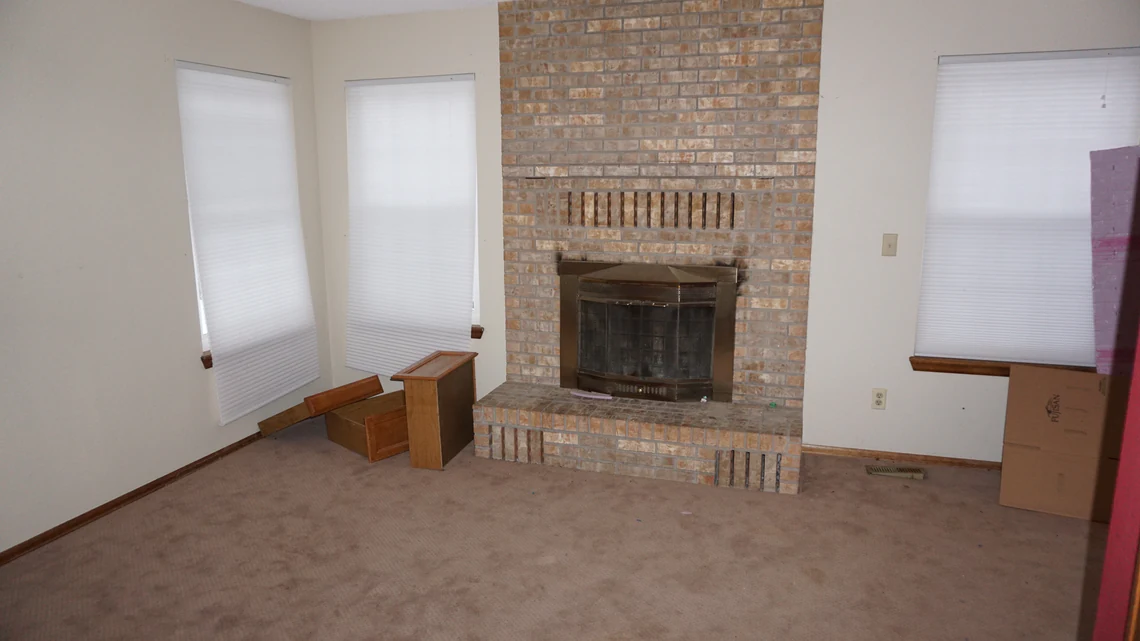
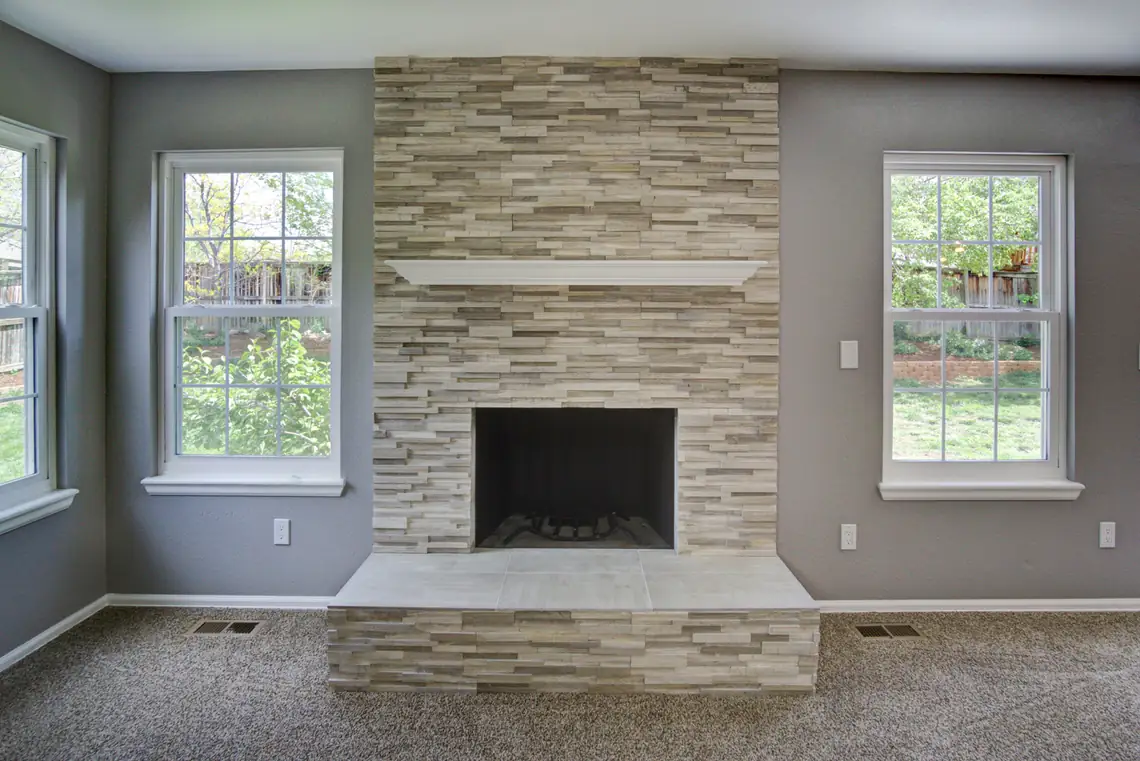
Here is how a simple builder solution saved one of our sellers from a messy masonry tear-out and transformed the main living room focal point before listing.
Modernizing an Eighties Brick Fireplace Without Messy Tear-Out Demolition
A seller reached out before listing because he wanted to tear out his dated floor-to-ceiling eighties red brick fireplace and start over. He disliked painted brick and German schmear looks, so he assumed noisy masonry demolition was the only path forward.
Instead of paying for brick removal, I recommended fastening cement backer boards directly over the existing brick face. That gave us a clean, flat substrate for stacked ledger stone tile and a crisp white mantel without swinging a sledgehammer.
Frequently Asked Questions
Should I proactively repipe polybutylene plumbing before listing my 1990s Highlands Ranch home?+
Do I need to replace an older working furnace, air conditioner, or roof before selling?+
Should I do a full-gut kitchen remodel before selling a 1990s home in Highlands Ranch?+
Does finishing an unfinished basement right before listing pay off?+
Which pre-sale cosmetic updates deliver the highest ROI on a 1990s Highlands Ranch home?+
Where do empty-nester sellers in Highlands Ranch move when downsizing?+
What if our 1990s home needs major updates and we want a direct as-is cash offer instead of listing?+

Highlands Ranch Realtor, residential builder, home rehab expert, and engineer who shares general construction knowledge, layout and remodeling ideas for basements, decks, landscaping, and kitchens, and helps clients know what questions to ask independent licensed inspectors.
Want a builder and engineer's perspective on which pre-sale updates will maximize your net proceeds?
Read Saber’s Realtor, Builder & Engineer Bio or reach out directly for a personal pre-sale walkthrough.